


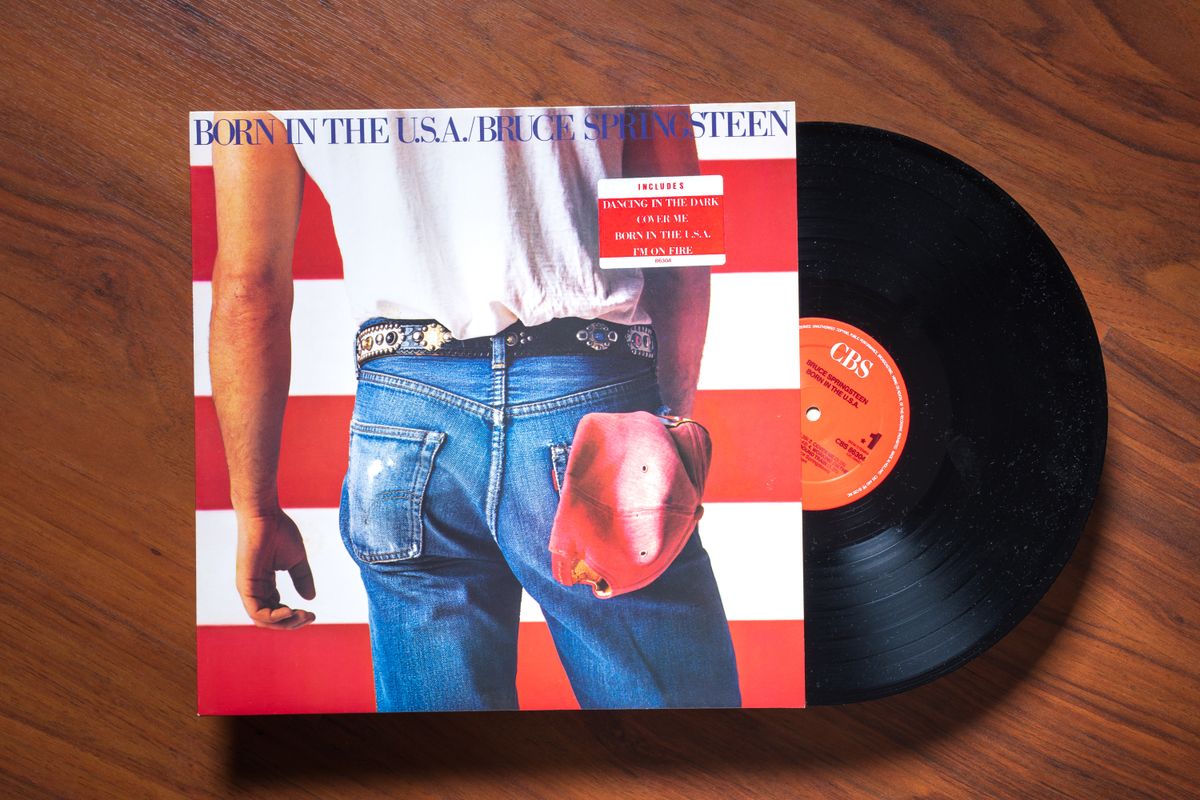
Fifty years ago, Bruce became The Boss; 40 years ago, Pee-wee discovered there’s no basement at the Alamo; and 25 years ago, Obi-Wan became one with the Force.
1975
50 years ago
On Aug. 25, 1975, Bruce Springsteen released “Born to Run,” a landmark album that cemented his place in rock history. Filled with cinematic storytelling and anthemic melodies, the record captured the spirit of youthful rebellion and longing. Songs like the title track “Born to Run” and “Thunder Road” became timeless classics, blending rock, soul and poetic lyricism. The album was a commercial and critical triumph, rescuing Springsteen from early career struggles. Its grand production, featuring the E Street Band’s dynamic energy, showcased his ambition. “Born to Run” transformed Springsteen into “The Boss,” a blue-collar hero whose music resonated with millions. Decades later, the album remains a defining work of American rock, embodying freedom, hope and the open road.
1985
40 years ago
On Aug. 9, 1985, “Pee-wee’s Big Adventure,” directed by Tim Burton, introduced the world to Paul Reubens’ delightfully odd Pee-wee Herman. The film follows Pee-wee’s wild crosscountry journey to recover his stolen bicycle, packed with unforgettable moments and iconic lines that cemented its cult status like, “I know you are, but what am I?,” as well as Burton’s playful visuals, from the eerie Large Marge scene (“Tell ‘em Large Marge sent ya!”) to Pee-wee’s frantic “I’m a loner, Dottie — a rebel.” The film’s climax, featuring Pee-wee dancing to “Tequila” on a bar, became legendary. Though initially a modest hit, the movie’s quirky charm launched Burton’s career and made Pee-wee a pop culture icon. Decades later, its humor and heart still resonate, proving even the silliest adventures can leave a lasting legacy.
2000
25 years ago
On Aug. 5, 2000, legendary actor Sir Alec Guinness passed away at age 86, leaving behind an extraordinary legacy. Though he had a distinguished career — winning an Oscar for “The Bridge on the River Kwai” (1957) and captivating audiences in “Lawrence of Arabia” — he became globally beloved as Obi-Wan Kenobi in “Star Wars” (1977). Initially skeptical of the role, Guinness brought gravitas and wisdom to the Jedi mentor, shaping the character into a cine- matic icon. His performance anchored the original trilogy, influencing generations of fans. Despite his mixed feelings about “Star Wars’” fame, he appreciated its impact. Guinness’s death, after a battle with liver cancer, marked the loss of a masterful actor whose work — from Shakespearean theater to sci-fi — remains timeless.
link